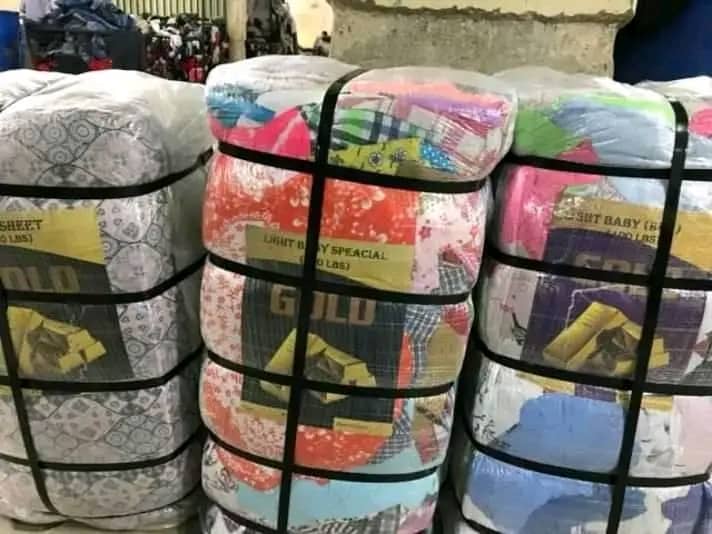
What Are Clothing Bales (Mabhero)?(Bales for Sale in Zimbabwe)
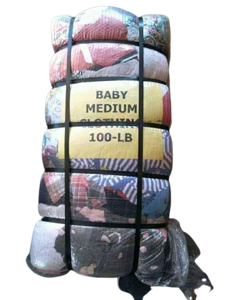
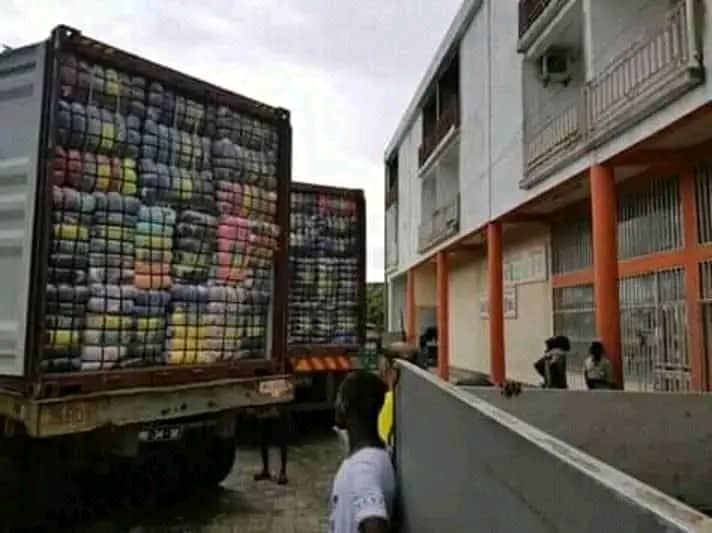
Clothing bales, commonly known in Zimbabwe asmabhero, are tightly packed bundles of second-hand clothes imported mainly from countries like the UK, USA, and Canada. These clothes are usually collected from donations, sorted into categories, compressed into large bundles, and shipped in bulk to African markets. Once they arrive in Zimbabwe, they are sold wholesale to traders who then resell individual items at a profit. If you’ve ever walked through Harare CBD and seen rows of vendors selling trendy jackets, jeans, and dresses at affordable prices, chances are those items came from a bale.
What makes mabhero fascinating is the element of surprise. When you buy a bale, you don’t always know exactly what you’ll get. It’s like opening a treasure chest—sometimes you hit gold with branded, high-quality items, and other times you get average or low-demand pieces. This unpredictability is part of what makes the business both exciting and risky. Despite this, thousands of Zimbabweans continue to invest in bale businesses because of the potential for strong returns and relatively low entry barriers.
Origin of Mabhero in Zimbabwe
The mabhero trade in Zimbabwe dates back several decades, but it has grown significantly in recent years due to economic challenges and rising demand for affordable clothing. Imported second-hand clothing offers a cheaper alternative to brand-new garments, making it accessible to a wide range of consumers. As local manufacturing struggled to keep up with demand, mabhero filled the gap and quickly became a dominant force in the fashion market.
Today, the bale business is not just a side hustle—it’s a full-scale industry supporting thousands of livelihoods. From street vendors to boutique owners, many entrepreneurs rely on mabhero as their primary source of income. The growth of social media and online marketplaces has also made it easier than ever to buy and sell bales, further fueling the industry’s expansion.
Types of Clothing Bales Available
Not all bales are created equal. They are categorized based on clothing type, season, gender, and quality. Some of the most common categories include ladies’ tops, men’s jeans, children’s wear, shoes, and mixed clothing. Each category serves a different market segment, so choosing the right one depends on your target customers.
For example, ladies’ clothing bales are often in high demand because of their variety and resale potential. Men’s clothing bales, on the other hand, tend to have fewer items but can still be profitable if the quality is good. There are also premium bales that contain branded or “cream” items, which are more expensive but offer higher resale value. Understanding these categories is key to making smart purchasing decisions.
Why the Bale Business is Booming in Zimbabwe
The bale business has exploded in popularity across Zimbabwe, and it’s not hard to see why. One of the biggest reasons is affordability. In an economy where disposable income is limited, consumers are constantly looking for cheaper alternatives. Mabhero provide stylish and functional clothing at a fraction of the cost of new items, making them extremely attractive to buyers.
Another reason for the boom is accessibility. Unlike many businesses that require significant capital and formal setup, the bale business can be started with relatively little money. You don’t need a fancy shop or expensive equipment—just a bale, a selling space, and the willingness to hustle. This low barrier to entry has made mabhero one of the most popular informal business options in the country.
Low Startup Costs
Starting a bale business doesn’t require millions. In fact, you can begin with as little as $100 to $200, depending on the type of bale you choose. According to recent listings, some bales in Zimbabwe start from around $65 for smaller or lower-grade bundles, while full, higher-quality bales can go up to $180–$450 depending on category and quality .
This affordability makes it possible for almost anyone to enter the market. Whether you’re a student, unemployed, or looking for a side hustle, mabhero offer a realistic opportunity to earn income. It’s one of those businesses where you can start small and grow over time, reinvesting your profits to buy bigger and better bales.
High Demand for Affordable Clothing
Let’s be honest—everyone needs clothes, but not everyone can afford brand-new outfits. That’s where mabhero come in. They bridge the gap between affordability and style, offering consumers access to trendy and quality clothing at low prices. This consistent demand ensures that sellers always have customers, especially in urban areas like Harare and Bulawayo.
The demand is even higher during certain seasons, such as winter when jackets and sweaters are in high demand, or festive periods when people are looking to upgrade their wardrobes. By understanding these trends, sellers can strategically choose the right bales to maximize their profits.
Current Prices of Bales in Zimbabwe (2026)
Pricing is one of the most important aspects of the bale business. As of 2026, bale prices in Zimbabwe vary widely depending on several factors, including type, weight, and quality. On average, you can expect to pay anywhere between $120 and $450 for a full bale, with some premium categories costing even more .
Smaller or lower-grade bales can be found for as little as $80 to $140, making them ideal for beginners who want to test the market without risking too much capital . These price variations allow traders to choose options that match their budget and business goals.
Price Comparison Table
Bale Type
Average Price (USD)
Items Per Bale
Profit Potential
Ladies Tops
$100 – $180
400–500
High
Men’s Clothing
$120 – $250
100–200
Medium
Kids Clothing
$80 – $150
300–400
Medium
Premium (Cream)
$250 – $450
80–150
Very High
Factors Affecting Bale Prices
Several factors influence bale pricing. One major factor is quality grading. High-grade or “cream” bales contain newer, branded items and are therefore more expensive. Lower-grade bales may include worn or less fashionable items, which reduces their price but also their resale value.
Another factor is the source country. Bales imported from Europe or North America often fetch higher prices because of their perceived quality. Seasonal demand also plays a role—winter clothing bales, for example, tend to be more expensive during colder months.
Types of Bales You Can Buy
Choosing the right type of bale can make or break your business. Ladies’ clothing bales are usually the most popular because they contain a wide variety of items, including dresses, tops, and skirts. These items are easy to sell and often attract repeat customers.
Men’s clothing bales are slightly more challenging because they contain fewer items and less variety. However, they can still be profitable if the quality is high. Kids’ clothing bales are also a good option, especially for parents looking for affordable clothing for their children.
Where to Find Bales for Sale in Zimbabwe
Finding reliable suppliers is crucial. Many traders source their bales from local distributors in Harare CBD, where bulk buying and competitive pricing are common. Some suppliers offer free delivery and even allow buyers to inspect the bale before payment, which adds a layer of security.
Online platforms have also become popular. Websites and WhatsApp groups allow buyers to browse different bale options and compare prices. Some suppliers advertise sealed bales weighing between 15kg and 100kg, giving buyers flexibility in choosing the right size for their needs .
How to Start a Bale Business in Zimbabwe
Starting a bale business is straightforward, but it requires careful planning. First, you need to decide what type of bale you want to sell. Then, find a reliable supplier and purchase your first bale. Once you have your stock, you can start selling either from a physical location or online.
Capital requirements are relatively low, but you should also budget for additional costs such as transport, rent, and marketing. It’s important to start small, learn the market, and gradually scale your business as you gain experience.
Profit Potential of Selling Mabhero
The profit potential in the bale business can be impressive. A single bale can contain hundreds of items, each of which can be sold individually at a markup. For example, if you buy a bale for $120 and sell each item for $1 to $5, you can easily double or triple your investment.
Profit margins depend on factors such as quality, pricing strategy, and location. Sellers who position themselves in high-traffic areas or use effective marketing techniques tend to earn more. Consistency and customer relationships also play a key role in long-term success.
Risks and Challenges in the Bale Business
Like any business, the bale trade comes with its own set of risks. One of the biggest challenges is quality uncertainty. Since most bales are sealed, you can’t always see what you’re buying. This means you might end up with items that are difficult to sell.
Competition is another challenge. With so many people entering the market, standing out can be difficult. To succeed, you need to offer something unique—whether it’s better quality, lower prices, or excellent customer service.
Tips for Choosing the Best Bale
Choosing the right bale is both an art and a science. Always buy from trusted suppliers who allow you to inspect the bale or provide guarantees. Understanding bale grades can also help you make informed decisions.
Avoid deals that seem too good to be true. Scams are common in the informal market, so it’s important to stay vigilant. Whenever possible, meet sellers in person and verify the quality before making a purchase.
Marketing and Selling Strategies
Selling mabhero is all about visibility and strategy. You can sell from a market stall, a shop, or even your home. Social media platforms like WhatsApp and Facebook are powerful tools for reaching customers and showcasing your products.
Pricing is another key factor. Offering competitive prices while maintaining quality can help you attract and retain customers. Some sellers also use promotions and discounts to boost sales and clear inventory quickly.
Conclusion
The bale business in Zimbabwe is more than just a trend—it’s a powerful income-generating opportunity for thousands of people. With relatively low startup costs, high demand, and flexible selling options, it offers a practical pathway into entrepreneurship. However, success in this industry requires more than just buying and selling. It demands strategy, patience, and a willingness to learn from both wins and losses.
FAQs
1. How much does a bale cost in Zimbabwe?
Bale prices typically range from $80 to $450 depending on quality, size, and category.
2. Can I make money selling mabhero?
Yes, many traders make significant profits, especially when selling high-quality items at good margins.
3. Where can I buy bales in Zimbabwe?
You can buy from local suppliers in Harare, online marketplaces, or WhatsApp groups.
4. What is the best bale for beginners?
Ladies’ clothing bales are often recommended due to their variety and high demand.
5. Is the bale business risky?
Yes, risks include poor quality items and market competition, but these can be managed with experience.
The Rise of Affordable Fashion in Zimbabwe: How Clothing Bales Are Transforming Style and Opportunity
Introduction: Fashion for All in Zimbabwe
Zimbabwe’s fashion market is undergoing a remarkable transformation. Once dominated by expensive imports and limited local production, the industry is now being reshaped by affordable fashion trends. At the heart of this revolution areclothing bales, which provide stylish, budget-friendly options for everyday shoppers while opening doors for entrepreneurs.
This shift is not just about clothing—it’s about economic empowerment, sustainability, and community growth.
Affordable Fashion in Zimbabwe
1. Affordable Fashion Trends in Zimbabwe
Fashion is no longer reserved for the wealthy. Zimbabwean shoppers are increasingly prioritizing value without compromising style. Clothing bales, often imported from Europe, Asia, and America, offer trendy pieces at a fraction of retail prices.
Accessibility: Even families with limited budgets can afford fashionable outfits.
Variety: From casual wear to formal attire, clothing bales provide diverse options.
Trend adoption: Zimbabweans can keep up with global fashion trends without overspending.
This democratization of fashion is reshaping consumer behavior and making style part of everyday life.
The resale market is booming. Many Zimbabweans are seizing the opportunity to become fashion entrepreneurs by purchasing bales and reselling clothing in local markets, boutiques, or online platforms.
Job creation: Resale businesses generate income for thousands of families.
Low entry barrier: Starting a clothing resale business requires minimal capital compared to traditional retail.
Flexibility: Entrepreneurs can tailor their offerings to specific communities, from urban youth to rural families.
This entrepreneurial wave is not only boosting individual livelihoods but also strengthening Zimbabwe’s informal economy
.
3. Sustainability: Fashion with a Green Footprint
Globally, fashion is criticized for being one of the most wasteful industries. Zimbabwe’s clothing bale movement offers a sustainable alternative.
Second life for clothes: Instead of ending up in landfills, garments are reused and repurposed.
Eco-friendly practices: Resale reduces the demand for fast fashion production, lowering carbon footprints.
Creative upcycling: Many Zimbabwean designers are repurposing second-hand clothes into unique, stylish creations.
This sustainability angle makes affordable fashion not only economically viable but also environmentally responsible.
4. Community Impact: Strengthening Local Economies
Affordable fashion is more than just clothing—it’s a community lifeline.
Family support: Parents can clothe children affordably, reducing financial strain.
Local markets thrive: Informal markets across Harare, Bulawayo, and smaller towns benefit from increased foot traffic.
Social empowerment: Fashion becomes a tool for self-expression, confidence, and cultural identity.
By making fashion accessible, clothing bales contribute to stronger, more resilient communities.
5. Challenges in the Affordable Fashion Movement
While the rise of clothing bales is largely positive, challenges remain:
Quality control: Not all bales are clean or wearable, leading to waste.
Competition: The resale market is crowded, requiring entrepreneurs to differentiate themselves.
Perception: Some consumers still associate second-hand clothing with stigma, though this is changing.
Addressing these challenges will be key to sustaining growth in Zimbabwe’s affordable fashion sector.
6. The Role of Gold Bales Investments
Gold Bales Investments is at the forefront of Zimbabwe’s affordable fashion revolution. By supplying clean, wearable, and trendy clothing bales, the company empowers entrepreneurs and ensures that fashion remains accessible to all.
Quality assurance: Gold Bales prioritizes hygiene and style in its offerings.
Entrepreneur support: By providing reliable stock, the company helps resellers build sustainable businesses.
Community focus: Gold Bales contributes to local economic growth and family well-being.
Their commitment to affordability, sustainability, and empowerment makes them a trusted partner in Zimbabwe’s fashion journey.
Conclusion: Fashion for the Future
The rise of affordable fashion in Zimbabwe is more than a trend—it’s a movement of empowerment, sustainability, and community growth. Clothing bales are reshaping the way Zimbabweans dress, work, and live.
With companies like Gold Bales Investments leading the charge, the future of fashion in Zimbabwe looks bright, inclusive, and eco-friendly.
Order Your Bales with Gold Bales Investments
Get high-quality, affordable clothing bales for resale. Trusted by resellers, boutique owners, and entrepreneurs across Zimbabwe. Select your bales type below and connect instantly with us on WhatsApp.
Affordable fashion is not just about clothes—it’s about opportunity, dignity, and progress.
Why Clothing Bales Are the Smartest Investment for Resellers in Zimbabwe
Introduction: Affordable Fashion Meets Smart Business
Starting or growing a clothing business in Zimbabwe doesn’t have to be expensive. Withclothing bales, resellers and boutique owners can access affordable, high‑quality stock that sells fast. At Gold Bales Investments, we’ve seen countless entrepreneurs transform small investments into thriving businesses.
Affordable fashion in Zimbabwe is more than a passing trend — it’s a movement that empowers entrepreneurs, supports families, and strengthens communities. Clothing bales are not just stock; they are the foundation of a profitable and sustainable business model.
1. Low Startup Costs: Begin Your Business Journey with Ease
One of the greatest advantages of clothing bales is their affordability. Unlike traditional retail, which requires large capital outlays, clothing bales allow resellers to start small and grow steadily.
A single bale can provide enough stock to launch a stall or boutique.
Entrepreneurs can reinvest profits into additional bales, scaling their business gradually.
This low barrier to entry makes fashion entrepreneurship accessible to anyone with ambition.
At Gold Bales Investments, we supply clean, wearable, and trendy clothing bales that give new business owners confidence to start strong.
2. High Demand: Affordable Fashion Is Always in Style
Zimbabwean shoppers are increasingly drawn to affordable fashion. Clothing bales meet this demand by offering stylish, budget‑friendly options for everyday wear.
Families can dress children affordably without sacrificing quality.
Students and young professionals love trendy second‑hand finds.
Local markets thrive on the steady demand for affordable clothing.
Because fashion is a daily necessity, resellers enjoy consistent customer interest, ensuring their businesses remain profitable.
Ladies’ bales often move fastest, with dresses, tops, and skirts in high demand.
Men’s bales provide essentials like shirts, trousers, and jackets.
Kids’ bales are always popular, as parents constantly need affordable children’s wear.
This fast turnover ensures resellers maintain steady cash flow, making their businesses sustainable and resilient.
4. Flexibility: Choose the Bale That Fits Your Market
Gold Bales Investments offers a variety of bale options to suit different customer bases:
Ladies’ bales – perfect for boutiques targeting young women.
Men’s bales – ideal for urban markets and working professionals.
Kids’ bales – a must‑have for family‑oriented communities.
Mixed bales – great for resellers who want variety and broader appeal.
This flexibility allows entrepreneurs to tailor their business to their target audience, ensuring maximum profitability.
5. Sustainability: Fashion with a Green Footprint
Clothing bales are not only affordable but also eco‑friendly. By giving garments a second life, resellers reduce waste and promote sustainable fashion in Zimbabwe.
Clothes that might otherwise end up in landfills are reused.
Resale reduces demand for fast fashion, lowering environmental impact.
Creative entrepreneurs can upcycle second‑hand clothing into unique designs.
This sustainability angle makes clothing bales a smart choice for both business and the planet.
6. Why Gold Bales Investments Is Your Trusted Partner
At Gold Bales Investments, we don’t just sell clothing bales — we empower entrepreneurs.
Quality assurance: Our bales are clean, wearable, and trendy.
Reliability: We provide consistent supply so your business never stalls.
Support: We understand the resale market and help you succeed.
By partnering with us, you’re choosing growth, affordability, and long‑term success.
Conclusion: Clothing Bales as a Gateway to Independence
Clothing bales are not just stock — they’re a gateway to financial independence. For Zimbabwean resellers, they represent opportunity, sustainability, and empowerment.
WithGold Bales Investments, you’re not just buying clothes; you’re investing in a future of reliability, affordability, and growth. Affordable fashion in Zimbabwe is here to stay, and clothing bales are the smartest way to be part of this revolution.
How to Maximize Profits with Clothing Bales in Zimbabwe
Introduction: Affordable Fashion Meets Smart Business
Buying clothing bales is only the first step. The real success comes from how you sell them. At Gold Bales Investments, we help resellers and boutique owners maximize profits by offering proven tips and strategies that work.
Affordable fashion in Zimbabwe is more than just a trend — it’s a growing industry that empowers entrepreneurs, supports families, and strengthens communities. With the right approach, every bale becomes a profitable opportunity.
1. Sort and Display Smartly
Presentation matters. Customers are more likely to buy when items are easy to browse.
Organize clothing by category: ladies, men’s, and kids.
Display best pieces at the front to attract attention.
Use mannequins or hangers to showcase trendy items.
A well‑organized stall or boutique creates a professional image and encourages repeat customers.
2. Leverage Social Media for Sales
Social media is one of the most powerful tools for resellers in Zimbabwe.
Post clear photos and short videos of new arrivals.
Use promotions like “first come, first served” to create urgency.
Engage with customers by responding quickly to inquiries.
By building an online presence, you expand your reach beyond local markets and attract buyers from across the country.
3. Bundle Deals: Encourage Bigger Purchases
Customers love discounts, and bundle deals are a smart way to increase sales volume.
Offer “buy 3, get 1 free” promotions.
Provide discounts for bulk purchases.
Create family bundles (ladies, men’s, and kids’ items together).
Bundles not only boost profits but also help you move stock faster, keeping cash flow steady.
4. Know Your Market: Tailor Stock to Demand
Understanding your customers is key to maximizing profits.
Kids’ wear sells fast in high‑traffic areas like markets near schools.
Ladies’ fashion thrives in boutique settings where style is a priority.
Men’s clothing is popular in urban centers where professionals shop for affordable workwear.
By tailoring your stock to local demand, you ensure faster turnover and stronger customer loyalty.
5. Partner with Gold Bales Investments for Success
At Gold Bales Investments, we provide the quality and consistency resellers need to succeed.
Clean, wearable, and trendy clothing bales that customers love.
Reliable supply so your business never runs out of stock.
Support and guidance to help you grow your resale business.
With the right supplier and smart strategies, every bale becomes a profitable investment.
Conclusion: Turning Bales into Business Growth
Clothing bales are more than just stock — they’re a gateway to financial independence. By sorting smartly, leveraging social media, offering bundle deals, and knowing your market, resellers can maximize profits and build thriving businesses.
With Gold Bales Investments, you’re not just buying clothes; you’re investing in growth, sustainability, and long‑term success.